
Home / Behavioral Health Services / Therapies / Music Therapy
Music Therapy in New Hampshire
Music can be a powerful support when you’re working through addiction or mental health challenges. At Granite Recovery Centers in NH, we weave music therapy into treatment to promote whole-person recovery. This helps you express emotions safely, manage cravings, and build practical skills.
Accreditations for Quality Care
What Is Music Therapy?
Music therapy is a clinical practice led by a licensed music therapist. It uses various music-related activities to improve your mental and emotional health. The psychology behind music and mental health is that proven approaches mix with musical expression, so you can share feelings that are challenging to verbalize.
Research shows music therapy activates dopamine pathways similar to substances. This has the opportunity to help reduce cravings and improve mood, especially when used as an add-on to standard care.
Music Therapy Benefits for Recovery
Music and healing go hand-in-hand when going through addiction or mental health treatment. It offers:

Craving Management: Music gives you a healthy distraction and emotional outlet, reducing cravings over multiple sessions.
Emotional Processing: Creating or listening to music helps you work through guilt, shame, anger, anxiety, or depression.
Stress Reduction: Music lowers stress hormones. This limits worries that often trigger substance use.
Motivation Boost: Studies have drawn connections between music therapy and increased motivation for treatment.
Self-Expression: Music offers a nonverbal way to express complex emotions. This helps if talk therapy feels difficult.
Mental Health Support: Music therapy helps manage anxiety, depression, and PTSD symptoms.
Music Therapy Activities We Use
Our licensed music therapists match techniques to what works for you:

Receptive Music Listening
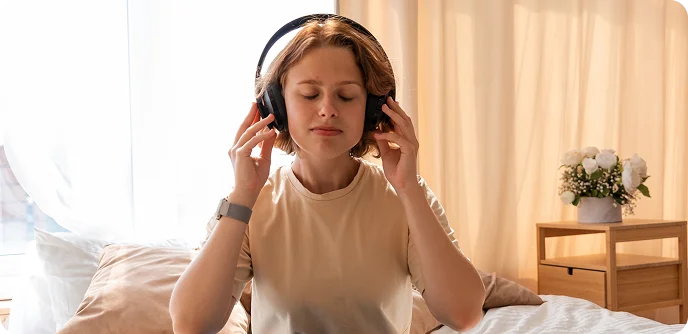
You listen to carefully selected music that fits your goals. This can calm your nervous system, trigger positive memories, or help you process and reflect on emotions.

Active Music-Making
Playing music therapy instruments like drums, guitar, or piano gives you hands-on expression. You don’t need experience, as the focus is on the creative process.

Songwriting and Lyric Analysis
Writing original songs or exploring meaningful lyrics helps you face your feelings and experiences. Songwriting can document your recovery journey and build hope.

Improvisation
Creating music on the spot lets you explore emotions without words. Improvisation builds confidence and helps you practice being present.
Musical Therapy in Our Programs
No matter where you are in recovery, our team in NH introduces music therapy to meet your needs.

Detox and Residential Treatment
Music therapy helps ease withdrawal symptoms during detox. Sessions provide distraction from discomfort and promote relaxation.

Partial Hospitalization (PHP)
Creative work during PHP happens in groups and, sometimes, individually. It often pairs with medication management and other therapies.

Intensive Outpatient (IOP)
Our IOP keeps music therapy going with flexibility. You balance treatment with other commitments. This allows you to maintain your routine.

Outpatient Programs
For those further along in recovery, outpatient care blends music therapy techniques you can use in everyday life to prevent relapse.

Dual Diagnosis Treatment
Music therapy can form part of dual diagnosis care. It tackles causes affecting addiction and mental health conditions like anxiety or PTSD.

Sober Living and Aftercare
Skills you learn in music therapy can extend into independent sober living. Many keep using music as a coping tool through alumni programs.

Therapies That Pair With Music Therapy
For a well-rounded recovery plan, we integrate music activities with proven therapies:
- Cognitive-behavioral therapy to identify and alter negative thoughts while using music to express what’s hard to say aloud.
- Dialectical behavior therapy to strengthen emotional regulation through music exercises that ground you in the present.
- Eye movement desensitization and reprocessing to deepen trauma healing by pairing nonverbal music expression with memory processing.
- Medication-assisted treatment to support emotional and psychological needs if you’re taking medication for opioid or alcohol recovery.
- 12-Step programs to reinforce recovery concepts like powerlessness and accountability through songwriting and creative reflection.
- Group therapy to build community and practice vulnerability in a safe space where music breaks down barriers.

Who Benefits From Music Therapy?
Music therapy can help anyone in recovery. It is significant for:
- People processing trauma, including PTSD
- Anyone seeking a creative, holistic approach to recovery
- Individuals who find comfort or expression through music
- Those who struggle to verbalize emotions or experiences
- Participants who haven’t found talk therapy alone effective
- Individuals managing anxiety, depression, or other co-occurring disorders
Reviews and Success Stories
My name is Jan and have been to Green Mountain Rehab and it did wonders for me. The staff there are wonderful,always available for you. The groups were very informative, I learned alot. The food was great. The place is beautiful over looking great scenery.
-J.J.

The most caring recovery team that works there. Awesome accomodations. All around though really good program. First time to rehabilitation center and was my favorite stop on my recovery road. Glad I choose to go there.
-B.B.
Green Mountain Treatment Center saved my life. I was sick and scared when I arrived, but the transformation that occurred for me during the 80 days I spent on the mountain was nothing short of a miracle.
-C.
Frequently Asked Questions
Do I need musical experience to participate?
No. Music therapy is about expression and healing more so than skill. Your therapist walks you through it, no matter your background, and helps you reflect in a healthy way.
What if I feel uncomfortable playing music in front of others?
Many people hesitate at first. We help you find what works for you and your healing.
How does music therapy differ from just listening to music?
Music therapy uses clinical protocols guided by trained therapists. They tailor work to your specific treatment goals. It’s structured therapeutic work, not casual listening.
Can music therapy help with anxiety and depression?
Yes. Research shows music therapy can help reduce anxiety and depression symptoms. It also improves emotional regulation and works well with other therapies.
How long does it take to see results from music therapy?
Deeper shifts in cravings, motivation, and emotions usually develop over weeks of steady work.
Will certain music trigger cravings?
Music can sometimes trigger memories tied to substance use. Your therapist will try to map your music history. They work with you to develop tolerance to problematic music while finding alternatives.
Ready to Start?
At Granite Recovery Centers in New Hampshire, we blend music therapy with proven clinical care. This helps you build a life past addiction and mental health struggles. No matter where you are in your healing process, if you’re ready to take the next step, reach out today.